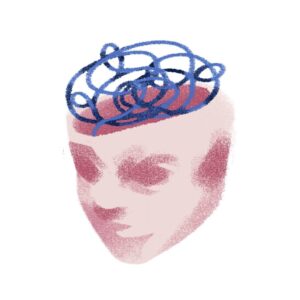
Feeling Burned Out? Discover the Hidden Signs
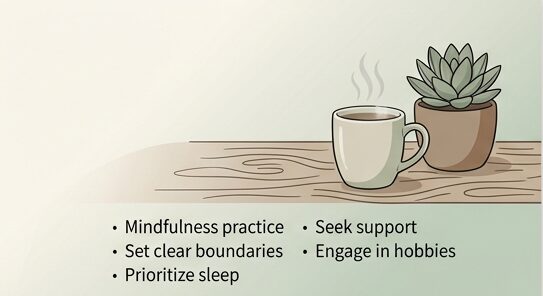
Feeling tired even after a full night of sleep?
Perhaps your body feels rested, but your mind does not. Meanwhile, work, school, relationships, money, and daily tasks can keep filling your thoughts.
As a result, you may feel like you never get a real break.
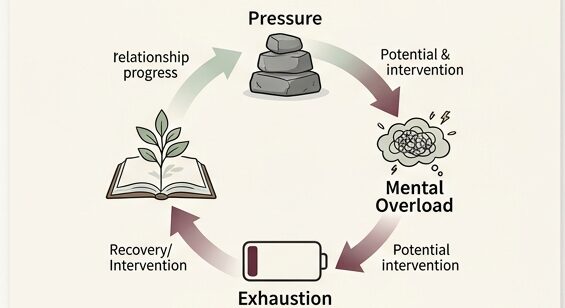
This constant pressure can lead to emotional exhaustion.
Emotional exhaustion happens when stress builds up over time. Eventually, you may feel mentally tired, overwhelmed, or disconnected.
However, emotional exhaustion does not always look obvious. Sometimes, it starts with small changes that are easy to ignore.
What Is Emotional Exhaustion?
Emotional exhaustion means feeling mentally and emotionally drained.
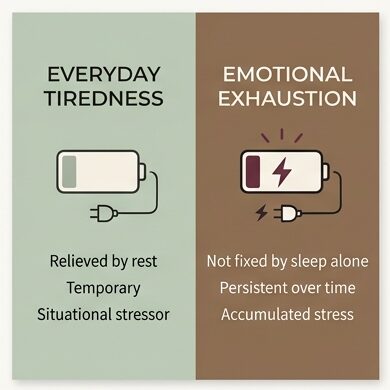
Everyone feels tired sometimes. For example, a busy week can leave you needing extra sleep.
However, emotional exhaustion can last much longer.
You may rest but still feel tired. In addition, everyday tasks may start to feel harder than usual.
Over time, you may notice changes in your mood, focus, sleep, or relationships.
Therefore, it is helpful to recognize the signs early.
7 Overlooked Signs of Emotional Exhaustion
Emotional exhaustion can affect everyone differently.
Still, there are several common signs to watch for. In fact, some of them may look like ordinary stress at first.
1. You Feel Tired Before Your Day Starts
Do you wake up feeling exhausted?
You may have slept for several hours. Even so, getting out of bed can feel difficult.
Your mind may also start racing as soon as you wake up. You might think about work, school, errands, or other responsibilities.
As a result, the day can feel stressful before it even begins.
If this happens often, your mind may need more than physical rest.
2. Small Problems Feel Much Bigger
Stress can change how you react to everyday problems.
For example, a late text may suddenly feel upsetting. Similarly, a small mistake at work may feel much more serious than it really is.
This does not mean you are overreacting on purpose.
Instead, your emotional energy may already be low.
When everything feels like too much, pause before reacting. Take a breath and give yourself a moment.
Then, ask yourself:
“Will this problem still matter tomorrow?”
Sometimes, that small pause can help you see the situation differently.
3. Concentrating Becomes Difficult
Another common sign is trouble focusing.
You may read the same sentence several times. At the same time, you might start a task and quickly lose track of what you were doing.
Constant stress can make concentration harder.
Therefore, try breaking large tasks into smaller steps.
For example, choose one task and work on it for 10 or 15 minutes. Afterward, take a short break.
This approach can make your workload feel more manageable.
4. You Become Irritated More Easily
Have you noticed that your patience is getting shorter?
Small things may suddenly bother you. As a result, you might become frustrated with coworkers, friends, family, or even yourself.
Emotional exhaustion can make everyday stress harder to manage.
However, feeling irritated does not make you a bad person.
Instead, it may be a sign that you need time to recover.
When possible, step away from stressful situations for a few minutes. Take a few slow breaths before responding.
That short pause can help you respond instead of reacting.
5. You Feel Guilty When You Rest
This sign is easy to overlook.
You finally have free time, but relaxing makes you feel guilty. Instead of enjoying the break, you start thinking about everything you should be doing.
For example, you may think:
- “I should be working.”
- “I should clean the house.”
- “I should answer that message.”
- “I should be more productive.”
However, rest is not something you need to earn.
Your mind needs time to recover. Therefore, taking a break is not being lazy.
In fact, regular rest can help you manage stress more effectively.
6. Things You Usually Enjoy Feel Like Work
Have your favourite activities started to feel like chores?
Perhaps you used to enjoy seeing friends, exercising, painting, reading, or watching your favourite shows.
Now, however, you may not have the energy for them.
This can happen when emotional exhaustion builds over time.
You may spend so much energy managing daily stress that there is little left for enjoyment.
If you notice this change for a long period, consider speaking with a mental health professional.
Loss of interest can have several causes. For instance, it can also occur with depression.
7. Your Mind Will Not Switch Off
Finally, your mind may feel busy all the time.
You think about tomorrow. Then, you remember something that happened today.
Before long, you are worrying about next week.
As a result, even bedtime can become stressful.
Your body may be resting, but your thoughts continue racing.
Fortunately, small changes can help.
Try writing your thoughts in a journal before bed. In addition, put your phone away for a while.
You can also try slow breathing or mindfulness.
If racing thoughts continue to affect your sleep or daily life, therapy may provide helpful support.
Why Is Emotional Exhaustion So Common Today?
Modern life can be difficult to switch off from.
For one thing, technology keeps us connected almost all the time. Work messages can arrive after hours, while social media can keep your mind busy late into the evening.
At the same time, many people face financial stress, career pressure, school demands, and relationship challenges.
There is also pressure to keep up.
You may feel that you should always be achieving something. Consequently, taking a break can start to feel uncomfortable.
Over time, this constant pressure can become exhausting.
It is important to remember that feeling overwhelmed does not mean you are weak.
Instead, it may mean that you have been carrying too much for too long.
How Can You Manage Emotional Exhaustion?
You do not need to change your entire life overnight.
Instead, start with small changes that feel realistic.
Take Breaks From Your Phone
Your phone can make it difficult to disconnect.
Therefore, turn off notifications that you do not need. You can also create short periods without your phone.
For example, try putting it away for 15 minutes while you eat, walk, or relax.
Even a short break can give your mind some space.
Make Time for Real Rest
Try not to wait until you feel completely exhausted.
Instead, build small breaks into your day.
You could take a walk, stretch, read, listen to music, or sit somewhere quiet.
Most importantly, your rest does not need to be productive.
Sometimes, doing less is exactly what your mind needs.
Set Healthy Boundaries
You do not have to answer every message immediately.
Likewise, you do not have to say yes to every request.
If your schedule is already full, it is okay to say:
“I can’t take that on right now.”
Setting boundaries can feel uncomfortable at first. However, healthy boundaries can protect your time and energy.
Break Large Tasks Into Smaller Steps
A long list can quickly feel overwhelming.
For this reason, choose one task first.
Once you finish it, move to the next one.
Small steps can make a difficult day feel more manageable.
Stay Connected With People You Trust
Stress can feel heavier when you keep everything to yourself.
Therefore, consider talking with someone you trust.
A friend or family member may offer comfort. Meanwhile, a therapist can provide professional support and a safe space to explore what you are experiencing.
You do not have to carry everything alone.
When Should You Consider Therapy?
Everyone experiences stress from time to time.
However, ongoing emotional exhaustion may need extra support.
Consider speaking with a therapist if you:
- Feel overwhelmed most days
- Struggle to relax
- Have ongoing sleep problems
- Feel anxious often
- Feel sad for long periods
- Have little motivation
- Avoid people you care about
- Lose interest in activities you enjoy
- Struggle with everyday responsibilities
Therapy can provide a safe place to talk about these experiences.
Together, you can explore what may be contributing to your stress. You can also learn healthier ways to cope.
In addition, therapy can help you understand patterns that may be keeping you stuck.
Most importantly, you do not need to wait for a crisis before asking for help.
You Do Not Have to Do Everything
Life can feel overwhelming.
Sometimes, the answer is not to push harder.
Instead, you may need to slow down.
Emotional exhaustion is not a sign of weakness. Rather, it may be a sign that you have been dealing with too much for too long.
So, give yourself permission to pause.
Put your phone away.
Take a breath.
Then ask yourself:
“What do I need right now?”
Maybe you need rest.
Perhaps you need a boundary.
Or maybe you need someone to talk to.
Whatever the answer is, listening to yourself is a good place to start.
Taking care of your mental health is not selfish.
It is part of taking care of yourself.
Looking for Support?
If stress or emotional exhaustion is affecting your daily life, psychotherapy can help.
You do not have to figure everything out alone.
Book a 15-minute consultation with RP Psychotherapy to see if therapy is right for you.