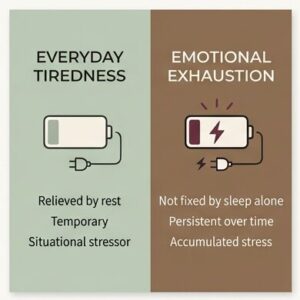
Trapped by Overthinking? Therapist Secrets That Really Work
Have you ever replayed a conversation for hours or worried about something that hasn’t even happened yet? If so, you’re not alone. Many people struggle with overthinking, and it can quickly become exhausting.
Fortunately, you can learn how to stop overthinking with the right tools and support. Although occasional reflection is healthy, constant overthinking can increase stress, anxiety, and emotional exhaustion.
In this article, you’ll learn why it happens, how it affects your mental health, and nine therapist-approved strategies that can help you regain peace of mind.
What Is Overthinking?
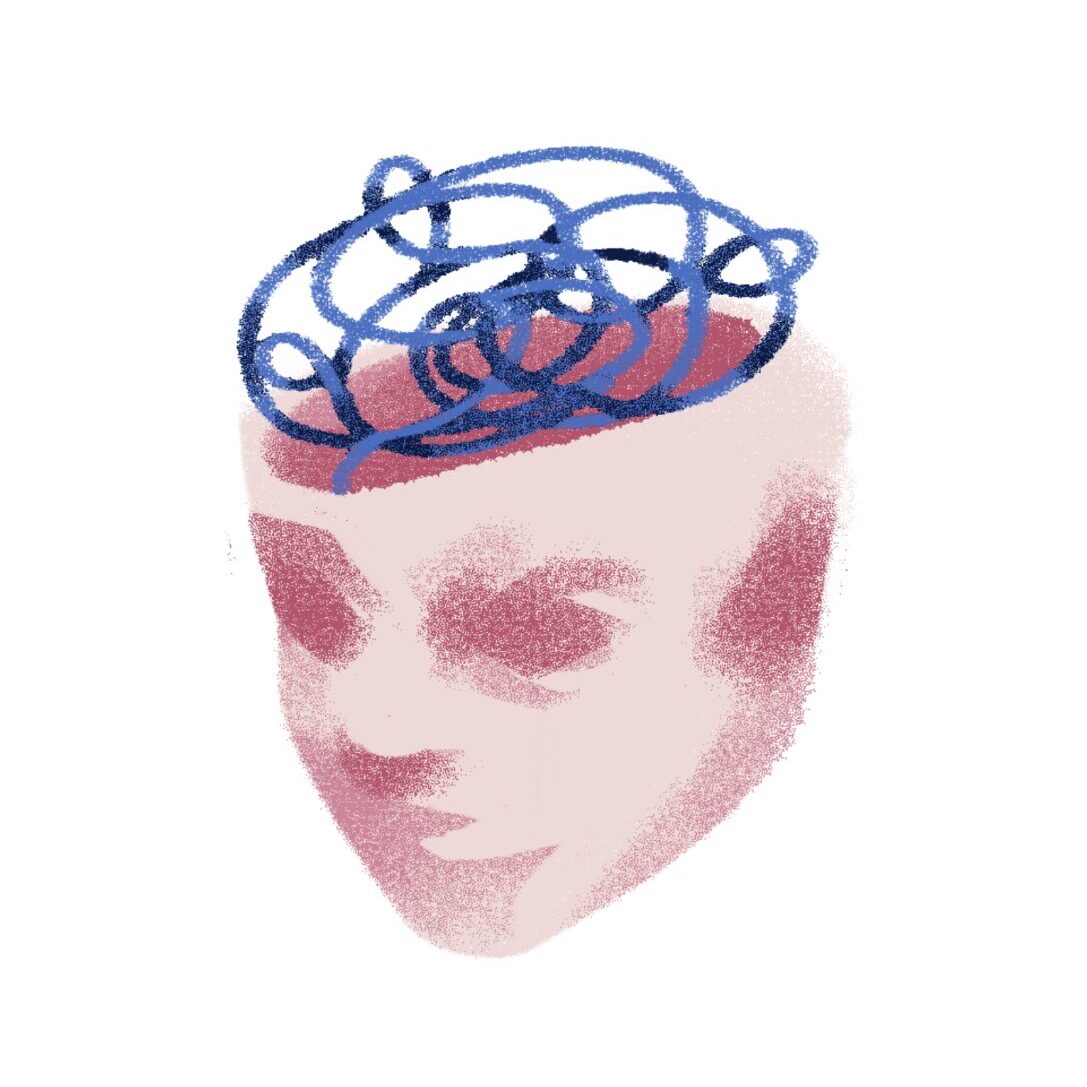
Overthinking means repeatedly thinking about the same thoughts, situations, or problems without reaching a solution. Instead of helping, it often creates more worry and uncertainty.
For example, you might:
- Replay conversations repeatedly
- Imagine worst-case scenarios
- Worry about making mistakes
- Analyze every decision
- Constantly seek reassurance
While thinking things through is normal, over thinking keeps your brain stuck in a cycle of worry.
Why Do People Overthink?
There isn’t one single cause. Instead, several factors may contribute.
Some common reasons include:
- Anxiety
- Perfectionism
- Fear of failure
- Low self-esteem
- Past trauma
- Stressful life events
- Uncertainty about the future
Additionally, it can become a learned habit. The more you do it, the more automatic it becomes.
According to the American Psychological Association, chronic stress can negatively affect both physical and mental health, making it even harder to break the cycle of excessive thinking.
Signs That You’re Overthinking
Recognizing the signs is the first step toward change.
You may be overthinking if you:
- Have difficulty making decisions
- Constantly second-guess yourself
- Feel mentally exhausted
- Struggle to fall asleep
- Focus on “what if” scenarios
- Feel anxious without a clear reason
- Have trouble enjoying the present moment
Furthermore, these symptoms may interfere with work, relationships, and daily responsibilities.
How Overthinking Affects Mental Health
Overthinking doesn’t simply stay in your mind. Instead, it often affects your entire body.
For example, chronic over-thinking may lead to:
- Increased anxiety
- Depression symptoms
- Sleep problems
- Difficulty concentrating
- Muscle tension
- Fatigue
- Emotional burnout
Moreover, overthinking often creates a cycle where anxiety causes more thinking, and more thinking increases anxiety.
9 Therapist-Approved Ways to Stop Overthinking
1. Notice Your Thought Patterns
The first step is awareness.
Whenever you catch yourself spiraling, pause and ask:
“Am I solving a problem, or am I repeating the same worry?”
Simply recognizing the pattern can reduce its intensity.
2. Focus on Facts Instead of Assumptions
Overthinking often fills in the blanks with imagined outcomes.
Instead, write down:
- What you know
- What you assume
- What evidence supports your thoughts
As a result, you’ll begin separating reality from fear.
3. Set a Worry Time
Surprisingly, scheduling time to worry can reduce intrusive thoughts.
For example, allow yourself 15 minutes each day to write down your worries.
Outside that time, gently remind yourself:
“I’ll think about this during my worry period.”
Consequently, your brain learns that worries don’t need immediate attention.
4. Practice Mindfulness
Mindfulness helps bring your attention back to the present moment.
Try:
- Deep breathing
- Guided meditation
- Body scans
- Mindful walking
Even five minutes a day can improve emotional regulation over time.
5. Challenge Negative Thoughts
Ask yourself:
- Is this thought realistic?
- What evidence supports it?
- What evidence contradicts it?
- What would I tell a friend?
This technique comes from Cognitive Behavioral Therapy and is widely used by therapists to reduce anxious thinking.
6. Limit Decision Fatigue
Too many choices can fuel overthinking.
Therefore, simplify whenever possible.
For example:
- Plan meals ahead
- Create routines
- Reduce unnecessary decisions
As a result, your brain has more energy for meaningful tasks.
7. Take Action
Sometimes, action is the best antidote to overthinking.
Instead of waiting until everything feels perfect, take one small step.
For instance:
- Send the email
- Make the phone call
- Apply for the opportunity
Progress usually reduces anxiety more than endless planning.
8. Reduce Social Media Comparison
Social media often encourages unrealistic comparisons.
Additionally, constantly seeing other people’s highlights may increase self-doubt and rumination.
Consider taking regular digital breaks and focusing on your own goals instead.
9. Consider Therapy
If overthinking is interfering with your daily life, therapy can help.
A therapist can identify the underlying causes, teach practical coping strategies, and help you develop healthier thinking patterns.
You don’t have to manage overwhelming thoughts alone.

When Should You Seek Professional Help?
Occasional overthinking is normal.
However, it may be time to seek professional support if:
- Worry feels uncontrollable
- Anxiety affects work or school
- You struggle to sleep regularly
- Relationships are suffering
- You avoid important situations because of fear
Early intervention often leads to better long-term outcomes.
Frequently Asked Questions
Is overthinking a mental illness?
No. Overthinking itself is not a mental illness. However, it is commonly associated with anxiety disorders, depression, and obsessive thinking patterns.
Can therapy help stop overthinking?
Yes. Therapy, particularly Cognitive Behavioral Therapy (CBT), has been shown to help people identify and change unhelpful thought patterns.
Why can’t I stop thinking at night?
Stress, anxiety, unresolved emotions, and daily pressures often become more noticeable when distractions disappear at bedtime.
How long does it take to stop overthinking?
Everyone is different. Some people notice improvements within a few weeks of practicing coping strategies consistently, while others benefit from longer-term therapy.
Final Thoughts
Learning how to stop overthinking doesn’t mean eliminating every worry. Instead, it means developing healthier ways to respond to your thoughts.
Although changing long-standing habits takes time, small, consistent steps can make a significant difference. By practicing mindfulness, challenging negative thoughts, taking meaningful action, and seeking support when needed, you can gradually reduce overthinking and improve your emotional well-being.
Remember, you don’t have to face these challenges alone. If overthinking is affecting your quality of life, reaching out to a licensed therapist can provide the guidance and support you need.