Imposter Syndrome: Signs and How to Overcome It

Imposter syndrome is more common than you think. In fact, many high-achieving students and professionals secretly feel like they don’t deserve their success. They may apImposter syndrome is more common than many people realize. In fact, even highly successful students and professionals often feel like they don’t deserve their achievements. Although they may appear confident, they quietly struggle with self-doubt.
So, what exactly is imposter syndrome—and how can you overcome it?
What Is Imposter Syndrome?
Imposter syndrome is a pattern of thinking where people doubt their abilities. Even when they succeed, they feel like a fraud. Instead of recognizing their skills, they often credit luck or timing.
As a result, they struggle to internalize their accomplishments.
Why Does Imposter Syndrome Happen?
There isn’t just one cause. Rather, several factors can trigger these feelings.
For example, high expectations can make people feel like they are never doing enough. In addition, social media increases comparison with others. At the same time, new environments like starting university or a new job can create uncertainty.
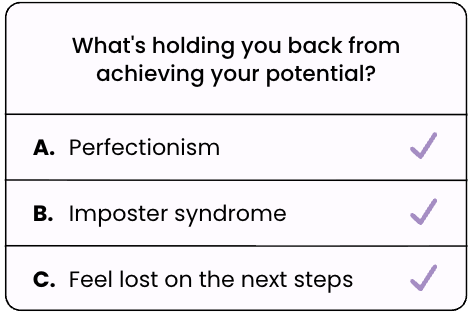
Moreover, perfectionism plays a major role. When people expect flawless performance, anything less can feel like failure.
7 Common Signs of Imposter Syndrome
Recognizing the signs is essential. Once you understand them, you can start making changes.
1. Constant Self-Doubt
You question your abilities, even after success. As a result, confidence stays low.
2. Fear of Being Exposed
You worry others will discover you are not as capable as they think.
3. Attributing Success to Luck
Instead of acknowledging effort, you assume success happened by chance.
4. Overworking
To compensate, you push yourself harder than necessary.
5. Difficulty Accepting Praise
When someone compliments you, it may feel uncomfortable or undeserved.
6. Perfectionism
You set very high standards. However, meeting them rarely feels satisfying.
7. Avoiding Opportunities
Because of fear, you may avoid new challenges. Consequently, growth becomes limited.
The Impact of Imposter Syndrome
Imposter syndrome affects more than confidence. It can also impact mental health and performance.
For instance, it may lead to anxiety and burnout. Furthermore, it can stop you from taking opportunities. Over time, it may even reduce satisfaction in your achievements.
Therefore, addressing these thoughts early is important.
How to Overcome Imposter Syndrome
Fortunately, there are practical ways to manage these feelings.
1. Acknowledge Your Thoughts
First, recognize what you are feeling. Once you name it, it becomes easier to manage.
2. Challenge Negative Beliefs
Instead of assuming you are not good enough, look at the evidence. Ask yourself what skills helped you succeed.
3. Keep a Success Journal
Write down achievements and positive feedback. Over time, this builds a clearer picture of your abilities.
4. Limit Comparisons
Although it is tempting to compare yourself to others, it is rarely helpful. Instead, focus on your own progress.
5. Talk About It
Sharing your experience can be powerful. In fact, many people feel the same way.
6. Accept Imperfection
Perfection is unrealistic. Therefore, aim for progress rather than perfection.
7. Reframe Failure
Rather than fearing mistakes, view them as learning opportunities.
Imposter Syndrome in Students
Students often experience imposter syndrome during transitions. For example, starting university can feel overwhelming. Similarly, entering competitive programs increases pressure.
However, feeling challenged does not mean you are incapable. On the contrary, it often means you are growing.
When Should You Seek Support?
It may be helpful to seek support if imposter syndrome is:
- Affecting your mental health
- Interfering with work or academic performance
- Preventing you from pursuing opportunities
- Causing ongoing stress or anxiety
Importantly, seeking help is not a sign of weakness. Instead, it is a proactive step toward well-being.