Simple Ways to Help Kids Relax and Feel Safe
Help your child relax and feel secure with simple mindfulness techniques for kids. In today’s busy world, children experience stress more often than we may realize. For example, school demands, social pressures, family changes, and constant stimulation can quickly overwhelm a child’s mind and body. As a result, many children struggle to relax, manage emotions, or feel secure during difficult moments.
However, when children learn mindfulness and relaxation skills, they gain tools that help them feel calmer, safer, and more confident when facing challenges.
Why Relaxation and Mindfulness Matter for Kids
Children are still learning how to understand their feelings. Because of this, stress often appears through irritability, restlessness, withdrawal, or trouble focusing.
Fortunately, mindfulness and relaxation techniques can help children:
- Reduce anxiety and worry
- Improve focus and attention
- Manage strong emotions
- Build confidence and self-awareness
- Sleep better and feel calmer
- Develop emotional resilience
Over time, these skills help children pause, think, and respond instead of reacting quickly.
Simple Ways to Help Kids Relax
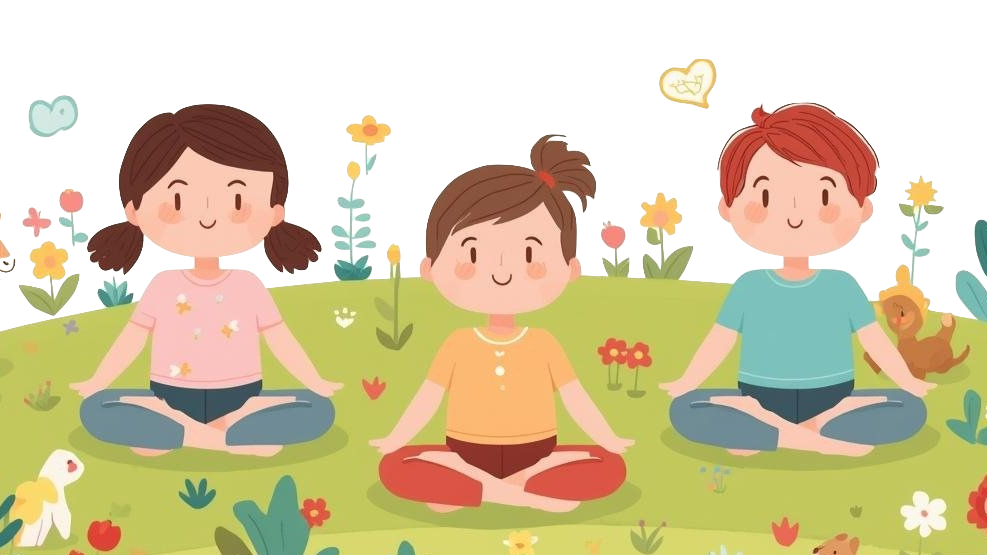
Parents and caregivers can introduce calming activities in everyday routines. Even a few minutes each day can make a meaningful difference.
1. Practice Deep Belly Breathing
First, ask your child to place a hand on their stomach. Then, encourage slow breaths in and out. As they breathe in, their belly rises. As they breathe out, it falls.
This simple exercise helps calm the nervous system quickly.
2. Try the Five Senses Exercise
Another helpful technique is grounding through the senses. You can ask your child to notice:
- 5 things they can see
- 4 things they can touch
- 3 things they can hear
- 2 things they can smell
- 1 thing they can taste
As a result, attention shifts away from worry and back to the present moment.
3. Use Guided Imagery
You can also invite your child to imagine a peaceful place. For instance, they might picture a beach, a forest, or a cozy room. Then, ask them to describe what they see, hear, and feel.
This activity helps children feel safe and relaxed.
4. Teach to Relax Muscles
Another effective strategy is muscle relaxation. First, ask children to gently tighten a muscle group. Next, have them slowly release the tension.
Consequently, this helps the body let go of stress.
Making Relaxation Fun for Children
Mindfulness works best when it feels enjoyable rather than forced. Therefore, playful activities can make a big difference. For example, mindful coloring, stretching, listening to calming music, or quiet storytelling can help children relax naturally.
Most importantly, consistency matters. Even short daily practices can build strong emotional skills over time.
When Children May Need Extra Support
Sometimes, children experience intense anxiety or emotional overwhelm. In these cases, they may struggle to cope on their own.
At that point, professional support can be very helpful. Therapy can provide structured tools that teach children how to regulate emotions, express feelings safely, and build confidence.
Supporting Your Child’s Emotional Safety
Helping children relax is not only about calming them in the moment. Instead, it is about teaching lifelong skills. When children feel safe and understood, they are better able to manage stress, build relationships, and grow emotionally.
Ultimately, small daily practices can make a lasting impact on a child’s well-being. It is not just about calming them in the moment. It is about teaching lifelong skills that support emotional well-being. When children feel safe and understood, they are better able to handle stress, build relationships, and thrive.