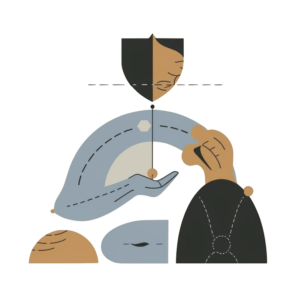
Warning Signs of Eating Disorders You Should Never Ignore
Eating disorders are serious mental health conditions. They affect how a person thinks about food, body image, and self-worth. However, many people struggle in silence because the signs are not always obvious.
Recognizing the warning signs early can make a big difference. In fact, early support can improve recovery and long-term well-being.
What Is an Eating Disorder?
An eating disorder is a condition that involves unhealthy patterns with food. For example, someone may restrict food, binge eat, or feel intense guilt after eating.
Most importantly, eating disorders are not simply about food. Instead, they are often connected to emotions, stress, trauma, or low self-esteem.
In addition, these disorders can affect people of all ages, genders, and backgrounds. The most common eating disorders include:
Anorexia Nervosa
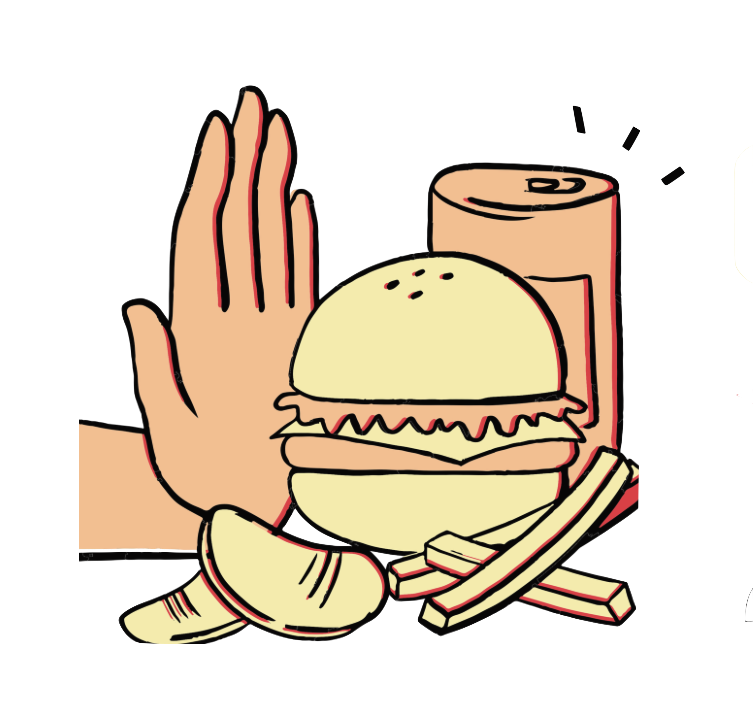
People with anorexia nervosa restrict food intake due to an intense fear of gaining weight and a distorted body image. Even when significantly underweight, individuals may still believe they need to lose more weight.
Common signs include:
- Extreme restriction of food
- Obsessive calorie counting
- Excessive exercise
- Intense fear of weight gain
- Distorted perception of body size
Bulimia Nervosa
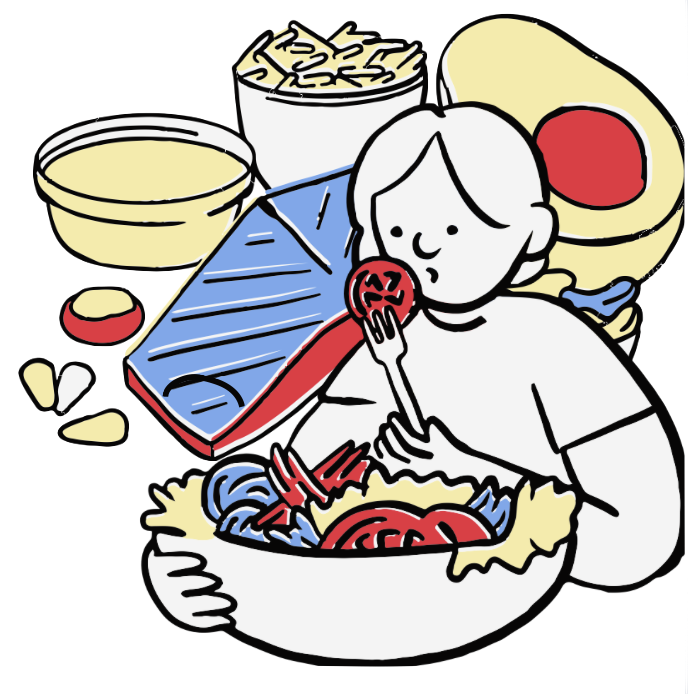
Bulimia involves cycles of binge eating followed by behaviors meant to compensate, such as vomiting, fasting, or excessive exercise.
Signs may include:
- Eating large amounts of food in a short period
- Feeling loss of control during eating episodes
- Purging behaviors
- Shame or secrecy around food
- Frequent dieting
Binge Eating Disorder

This condition involves repeated episodes of eating large quantities of food, often quickly and to the point of discomfort, without purging afterward.
Common experiences include:
- Eating when not physically hungry
- Feeling guilt or shame after eating
- Eating alone due to embarrassment
- Emotional distress connected to food
1. Obsessive Thoughts About Food or Weight
One of the most common warning signs is constant thinking about food, weight, or body shape.
For instance, a person may:
- Count calories constantly
- Feel anxious before meals
- Spend a lot of time worrying about their body
Over time, these thoughts can take over daily life.
2. Extreme Food Restriction
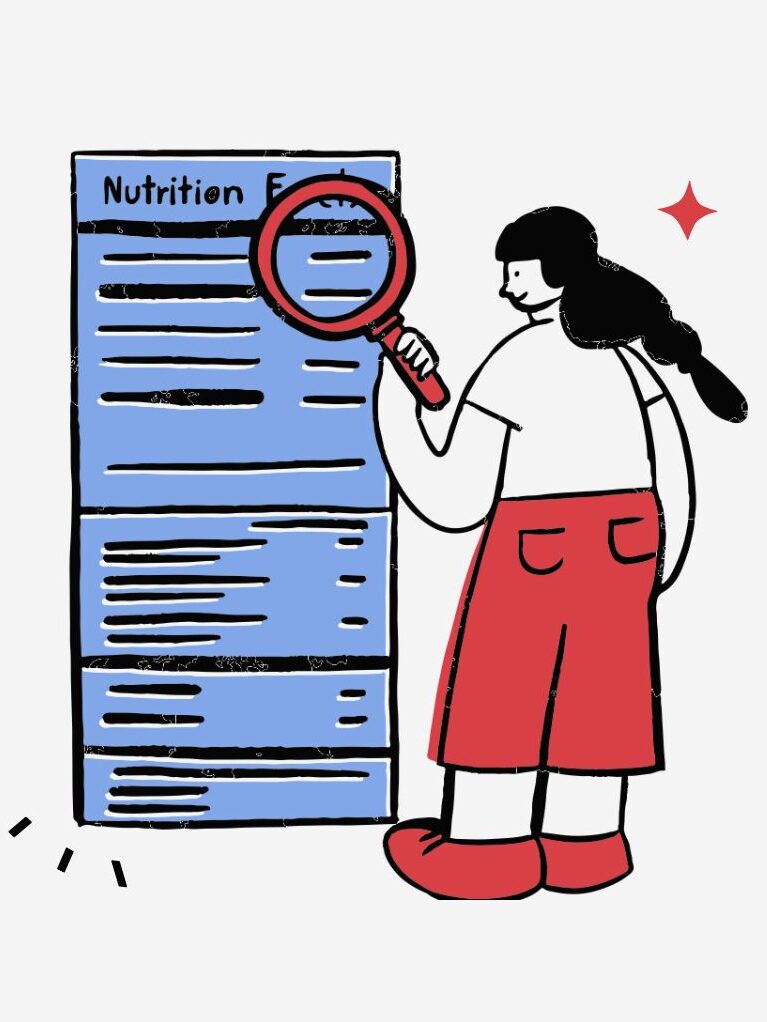
Another major warning sign is limiting food intake. For example, someone might skip meals, eat very small portions, or follow strict food rules. As a result, the body may not receive the nutrients it needs.
3. Binge Eating Episodes
Some individuals experience periods of eating large amounts of food in a short time.
During these episodes, people often feel a loss of control.
Afterward, they may experience guilt, shame, or distress.
4. Avoiding Meals With Others
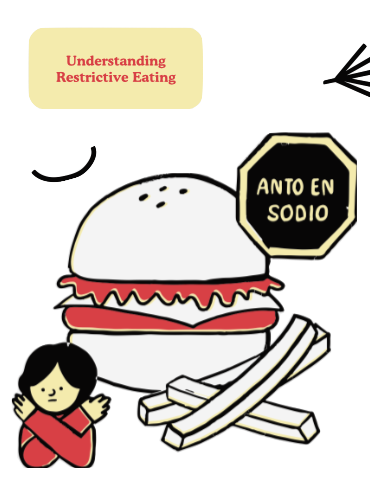
People struggling with eating disorders often avoid social situations involving food. For example, they may cancel dinner plans or say they already ate. Consequently, this can lead to isolation from friends and family.
5. Sudden Changes in Weight
Weight changes can sometimes signal an eating disorder.
However, it is important to remember that eating disorders do not always involve noticeable weight loss.
In many cases, individuals maintain a typical weight while still struggling internally.
6. Excessive Exercise
Exercise can be healthy. However, when it becomes extreme or compulsive, it may be a warning sign.
For instance, someone may feel guilty if they miss a workout.
As a result, exercise becomes a way to control food or weight rather than support health.
7. Strong Feelings of Shame Around Eating
Finally, emotional distress around food is another key sign.
Many individuals feel shame, guilt, or anxiety after eating.
Because of this, they may hide their eating habits or avoid discussing food entirely.
How Therapy Can Help
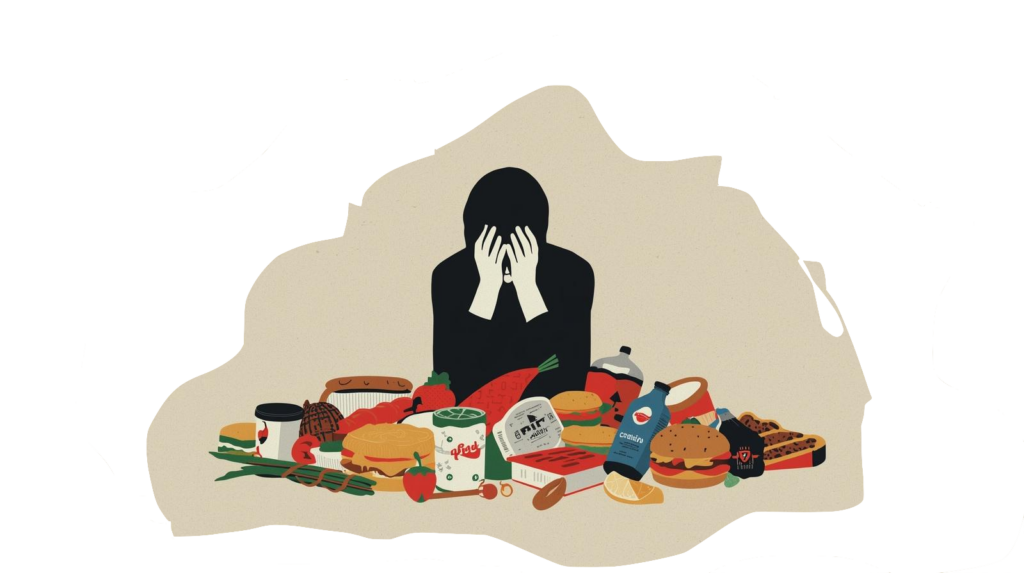
Recovering from an eating disorder can feel overwhelming. However, support can make a significant difference.
Therapy helps individuals understand the deeper emotions connected to their eating patterns.
In addition, therapy can help people:
- build healthier coping skills
- develop a balanced relationship with food
- improve self-esteem and body image
Most importantly, therapy provides a safe and supportive space for healing.
At RP Psychotherapy, therapy focuses on compassion, understanding, and long-term recovery takes time, patience, and compassion- but with the right support, lasting change is possible.