Burnout Recovery Starts Here: Reclaim Your Energy and Balance
Burnout rarely appears suddenly. Instead, it builds slowly over time. Ongoing stress, emotional pressure, and constant demands gradually drain your energy. As a result, you may begin to feel exhausted, disconnected, or unbalanced.
However, burnout recovery is possible. With the right support and understanding, you can regain your energy and restore balance in your life.
Understanding Burnout Beyond Stress
Many people think burnout is just stress. In reality, it goes much deeper. While stress may come and go, burnout stays. Over time, it affects your emotions, focus, and motivation.
For example, you might feel numb or irritable. You may struggle to concentrate or feel mentally foggy. Even after rest, you may not feel refreshed. Because of this, daily tasks can begin to feel overwhelming.
These are signs that your system has been under strain for too long.
Why Burnout Drains Your Energy
When stress lasts for a long time, the body stays in survival mode. As a result, the nervous system does not get a chance to recover. Over time, this leads to deep emotional and physical exhaustion.
In many cases, exhaustion develops because of ongoing pressure, blurred boundaries, or caregiving roles. In addition, perfectionism and feeling responsible for others can add to the strain. Without enough rest and emotional support, energy slowly disappears.
Therefore, burnout is not a lack of strength. It is a signal that something needs attention.
What Burnout Recovery Really Requires
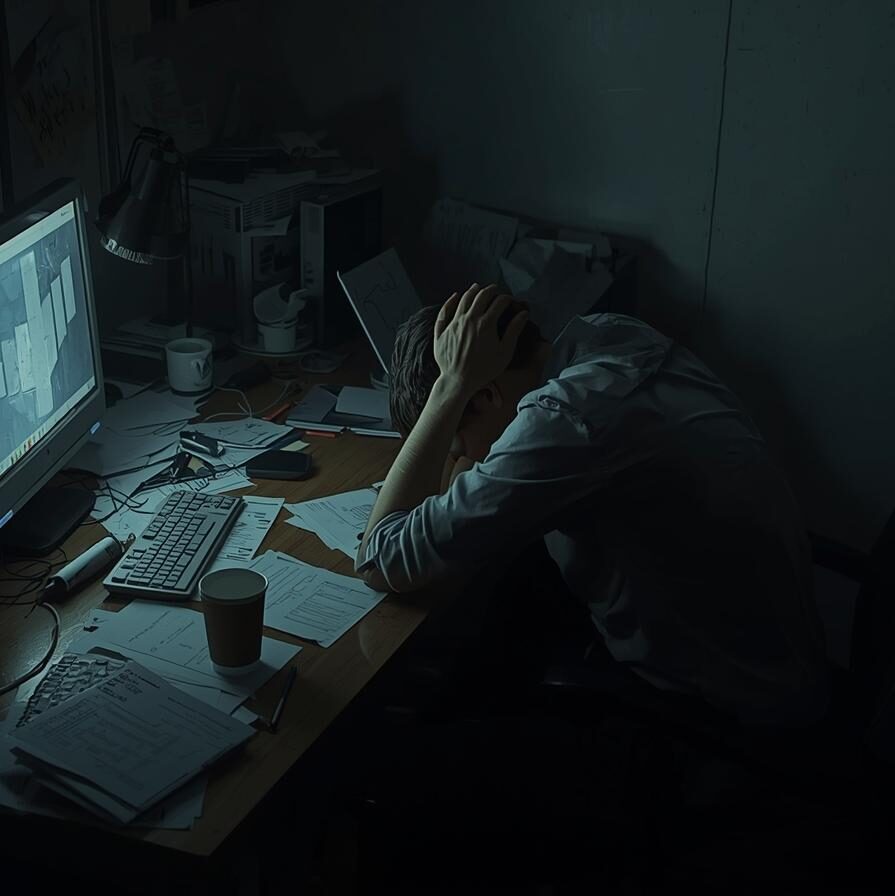
Burnout recovery is not about doing more. Instead, it is about doing things differently. Rather than pushing harder, recovery begins by slowing down.
For instance, this may involve setting clearer boundaries or learning to listen to your needs. Over time, it also means letting go of guilt around rest. As balance returns, energy often follows naturally.
Meanwhile, reconnecting with your values can help you feel grounded again. This creates a more sustainable way of living.
How Psychotherapy Can Help
Psychotherapy offers a safe and supportive space to explore burnout. Rather than focusing only on symptoms, therapy looks at the deeper causes.
Through therapy, you can better understand stress patterns and emotional overload. In addition, you can learn skills to regulate your nervous system and strengthen boundaries. Over time, this helps rebuild emotional resilience and self-trust.
As a result, recovery becomes more stable and long lasting.
When Support Can Make a Difference
If exhaustion feels constant, support may help. Similarly, if rest no longer restores your energy, therapy can offer guidance. Fatigueness can also affect mood, relationships, and physical health.
Therefore, seeking support early can make recovery smoother. It is not a sign of failure. Instead, it is a step toward balance and well-being.
Reclaiming Balance With Compassion
Burnout is not a personal weakness. Rather, it is a message from your mind and body. Something needs care, change, or support.
With compassion and the right help, healing is possible. Over time, you can reclaim your energy, restore balance, and move forward with greater clarity.