Ways to Navigate Grief and Emotional Healing: How to Cope With Losing a Loved One
Losing a loved one is one of the most profound and painful experiences a person can face. Grief can feel overwhelming, unpredictable, and deeply personal, often affecting emotional, physical, and mental well-being. While grief is a natural response to loss, it can still feel confusing and isolating, especially when there is pressure to “move on” or grieve in a certain way.
This article explores what grief looks like, common emotional responses after loss, healthy ways to cope, and how emotional healing can unfold over time.
A gentle worksheet to support grief, reflection, and emotional healing after loss.
Understanding Grief
Grief is not a single emotion but a complex process that can include sadness, anger, guilt, anxiety, numbness, relief, or even moments of peace. These emotions may come and go unexpectedly and can change from day to day.
Although pain is often described in stages such as: denial, anger, bargaining, depression, and acceptance. Most people do not experience grief in a neat or linear order. Instead, sadness tends to move in waves, with emotions resurfacing around anniversaries, reminders, or significant life events.
Grief can affect multiple areas of life, including:
- Emotional health: sadness, irritability, anxiety, guilt
- Physical health: fatigue, changes in sleep or appetite, headaches
- Cognitive functioning: difficulty concentrating, forgetfulness
- Relationships: withdrawal, feeling disconnected or misunderstood
All of these responses are common and valid.
Common Emotional Challenges After Loss

Intense Emotional Waves
Strong emotions may arise suddenly and without warning. A song, smell, place, or memory can trigger grief even long after the loss. These emotional waves are a normal part of grieving.

Feelings of Guilt or Regret
Many people experience “what if” or “if only” thoughts, replaying moments and conversations. While common, prolonged guilt can increase emotional distress and make healing more difficult.
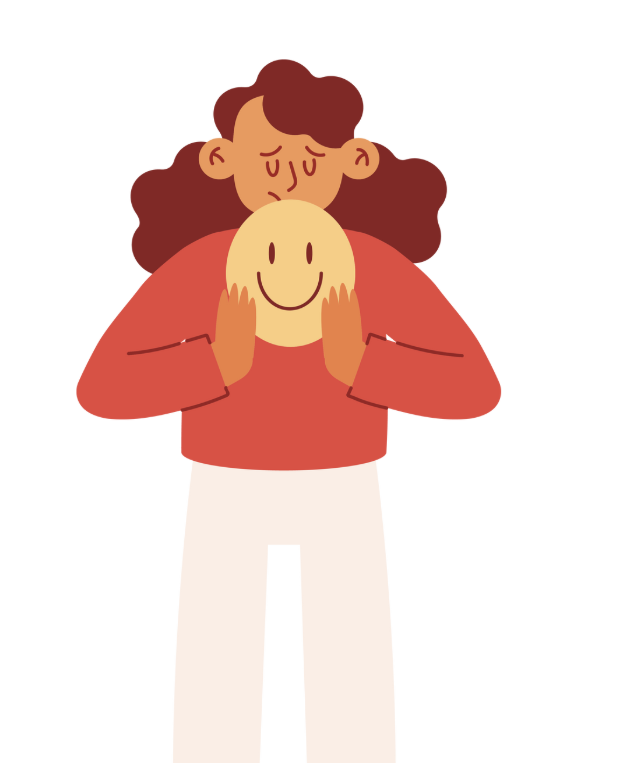
Changes in Identity and Meaning
Loss can shift how you see yourself and your future especially if the person you lost played a central role in your life. It may take time to rediscover purpose and direction.
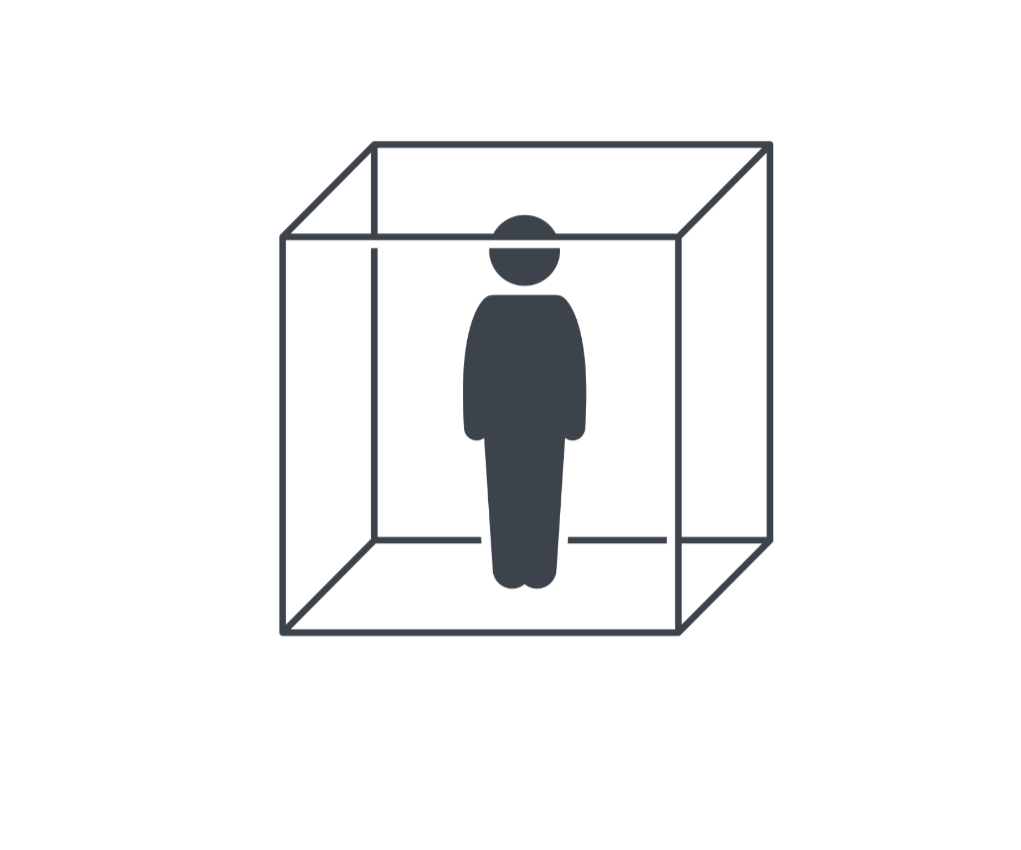
Loneliness and Isolation
Even when surrounded by others, grief can feel deeply lonely. Friends or family may not know how to help, or you may feel pressure to appear “okay” before you truly are.
Healthy Ways to Cope With Grief
Allow Yourself to Feel
There is no “correct” way to grieve. Giving yourself permission to experience emotions without judgment is an important step toward healing. Avoiding or suppressing grief can often intensify it over time.
Take Care of Your Body
Grief is emotionally and physically draining. Gentle self-care can help support your nervous system:
- Try to eat regularly, even if appetite is low
- Prioritize rest and sleep
- Engage in light movement, such as walking
- Limit alcohol or substance use, which can worsen emotional distress
Express Your Grief
Finding healthy outlets for grief can reduce emotional burden. This may include:
- Talking with trusted friends or family
- Journaling thoughts, feelings, or memories
- Creating rituals or memorials to honor your loved one
- Engaging in creative expression such as art, music, or writing
Accept Support
You do not have to grieve alone. Allowing others to support you—emotionally or practically—can reduce isolation and remind you that connection is still possible, even in loss.
Be Patient With the Healing Process
Mourning has no timeline. Healing does not mean forgetting your loved one; it means learning how to live with the loss while still finding moments of meaning, connection, and peace.
When Grief Feels Overwhelming
While grief itself is not a mental illness, there are times when additional support may be helpful. You may want to seek professional help if you experience:
- Persistent feelings of hopelessness or emptiness
- Intense guilt or self-blame that does not ease over time
- Difficulty functioning at work, school, or in relationships
- Avoidance of reminders of the loss
- Feeling “stuck” or unable to move forward months or years later
These experiences do not mean something is wrong with you, they are signals that you may need extra support.
How Psychotherapy Can Support Grief and Emotional Healing
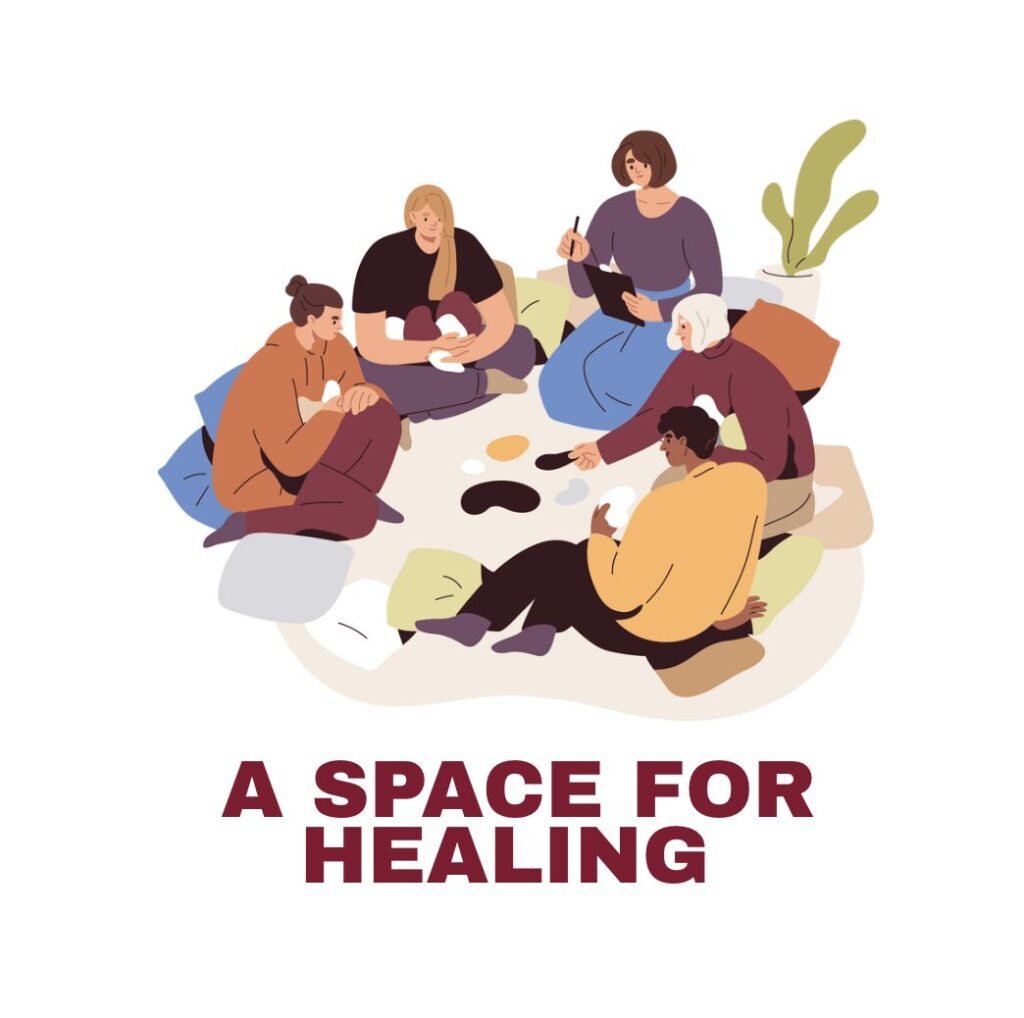
Psychotherapy can provide a safe, compassionate space to explore grief at your own pace. Working with a therapist can help you:
- Understand and normalize your mourning responses
- Process difficult emotions such as guilt, anger, or regret
- Develop coping strategies for overwhelming moments
- Navigate changes in identity, relationships, and meaning
- Integrate the loss into your life in a healthy and sustainable way
Therapy does not aim to erase pain or rush the grieving process. Instead, it supports emotional healing, resilience, and the ability to move forward while still honoring the bond you shared with your loved one.
Final Thoughts
Grieving the loss of a loved one is deeply personal, and there is no single path to healing. While the pain may not disappear entirely, with time, understanding, and support, it can become more manageable.
If you are struggling with grief or finding it difficult to cope with loss, psychotherapy can be a valuable source of support. A trained mental health professional can help you navigate pain, process emotions, and move toward healing in a way that feels right for you.