Winter Season: Powerful and Hidden Effects on Mental Health
Discover the powerful hidden psychological effects winter snow has on mental health and learn simple ways to protect your well-being during colder months.
Why Winter Feels Different Mentally
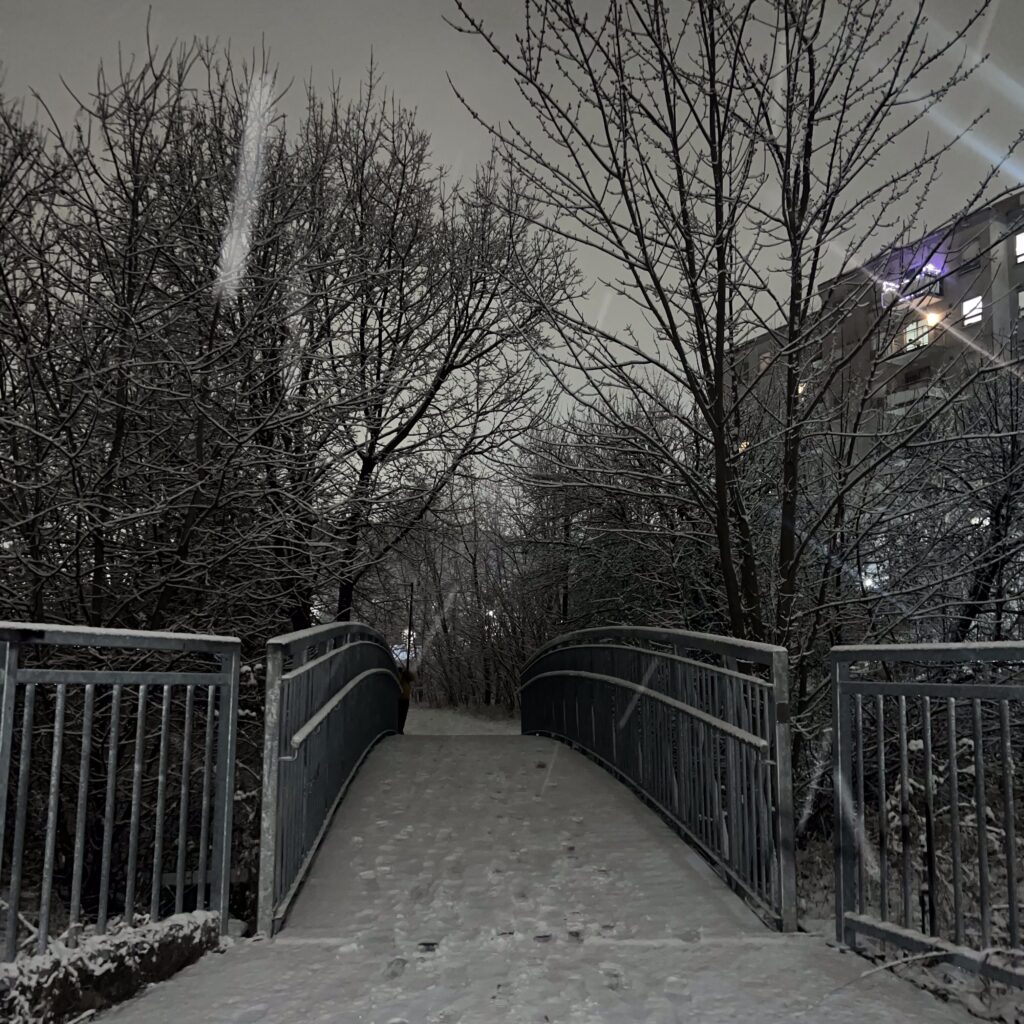
Winter often feels calm and quiet. Snow covers the ground, and days become shorter. However, many people notice changes in their mood and energy during this season.
In fact, cold weather can affect mental health in ways that are not always obvious. Because routines change and sunlight decreases, the mind may react differently than it does in warmer months. Understanding these changes can help you take better care of your mental well-being.
How Winter Snow Affects the Mind
1. Less Sunlight Can Lower Mood
During winter, daylight hours are much shorter. As a result, people spend less time in natural light.
Sunlight helps the brain control chemicals linked to mood. When sunlight is limited, mood levels may drop. Because of this, people may feel tired or less motivated. This is a common reaction to seasonal change.
2. Snow Can Lead to Social Isolation
Snowy weather often makes travel difficult. Therefore, people may cancel plans or stay indoors more often.
Over time, reduced social contact can lead to feelings of loneliness. Even though staying inside feels comfortable, it is important to stay connected. For example, talking with friends or family can make a big difference.
3. Cold Weather Affects Daily Routines
Winter can disrupt normal schedules. School, work, and outdoor activities may change or stop completely.
Because routines help the brain feel stable, sudden changes can feel stressful. As a result, the mind may feel unsettled or overwhelmed. Keeping a basic daily routine can help reduce this effect.
Hidden Psychological Effects of Winter Snow
4. Sleep Patterns Can Change
During winter, nights are longer and mornings are darker. Because of this, sleep schedules often shift.
Some people sleep more, while others struggle to wake up. In addition, irregular sleep can affect mood and focus. Maintaining regular sleep times can support better mental health.
5. Energy Levels May Drop
Cold temperatures and shorter days can reduce energy. As a result, people may feel slower or less productive.
This does not mean something is wrong. Instead, it is the body responding to seasonal changes. Still, gentle movement and light exercise can help boost energy levels.
6. Winter Can Increase Overthinking
When people spend more time indoors, they may spend more time alone with their thoughts. In some cases, this can lead to overthinking.
However, this quiet time can also be used in positive ways. For example, journaling, reading, or creative hobbies can help the mind relax.
Positive Mental Health Effects of Winter
Although winter has challenges, snow can also support mental well-being.
7. Snow Can Create Calm
Snow often reduces noise and slows life down. Because of this, many people feel calmer during snowfall.
In fact, snowy scenery can encourage mindfulness. Taking a quiet walk or simply watching snow fall can reduce stress.
How to Protect Mental Health During Winter
Stay Exposed to Natural Light
Try to spend time outside during the day. If that is not possible, sit near windows whenever you can.
Keep a Simple Routine
Waking up, eating, and sleeping at regular times helps the brain stay balanced.
Stay Active
Even light movement matters. Stretching, indoor workouts, or short walks can support mental health.
Stay Connected
Reach out to friends or family. Even short conversations can improve mood.
Practice Self-Care
Reading, listening to music, or creative activities can help reduce stress during long winter days.
When Extra Support Is Helpful
Sometimes, winter feels heavier than expected. If feelings of sadness or stress last a long time, talking to a trusted adult, teacher, or counselor can help.
Asking for support is a healthy choice. Mental health care is important in every season.
Frequently Asked Questions
Does winter snow really affect mental health?
Yes. Changes in sunlight, routine, and activity can affect mood, energy, and sleep.
Is it normal to feel less motivated in winter?
Yes. Many people experience lower motivation during colder months.
Can snow be good for mental health?
Yes. Snow can create calm environments and encourage rest and reflection.
Final Thoughts
Winter snow brings quiet beauty. However, it also brings changes that can affect mental health. By understanding these powerful hidden effects, you can take simple steps to care for your mind.
With balance, support, and healthy habits, winter can become a season of rest and renewal.
RP Psychotherapy
If winter feels overwhelming or your mental health struggles do not improve, seeking professional support can be a helpful step. A licensed therapist can provide guidance, coping strategies, and a safe space to talk through seasonal challenges.
RP Psychotherapy offers professional mental health support for individuals navigating stress, emotional changes, and seasonal difficulties. Working with a trained therapist can help you better understand your thoughts, build healthy habits, and feel more balanced during the winter months.
Reaching out for therapy is not a weakness—it is a positive step toward caring for your mental well-being.